On Hold

Back to Projects

EINDHOVEN PRIDE

Group Project

Pride Project – How It All Started

At the start of the semester, we were asked to choose a project from several options. Out of all of them, the one in collaboration with Pride Eindhoven immediately stood out to us. It matched our interests, our values, and the kind of impact we wanted to make. Some of us were excited about creating videos and events, others wanted to focus on animation, but we all agreed on one thing: we wanted to work on something that actually mattered.

The goal of the project was to create three Instagram reels that are both educational and promotional. Each video focuses on a different LGBTQ+ subcommunity in Eindhoven: drag, fetish, and non-profit organizations. It was important that all communities were local, so the project would truly represent Eindhoven.
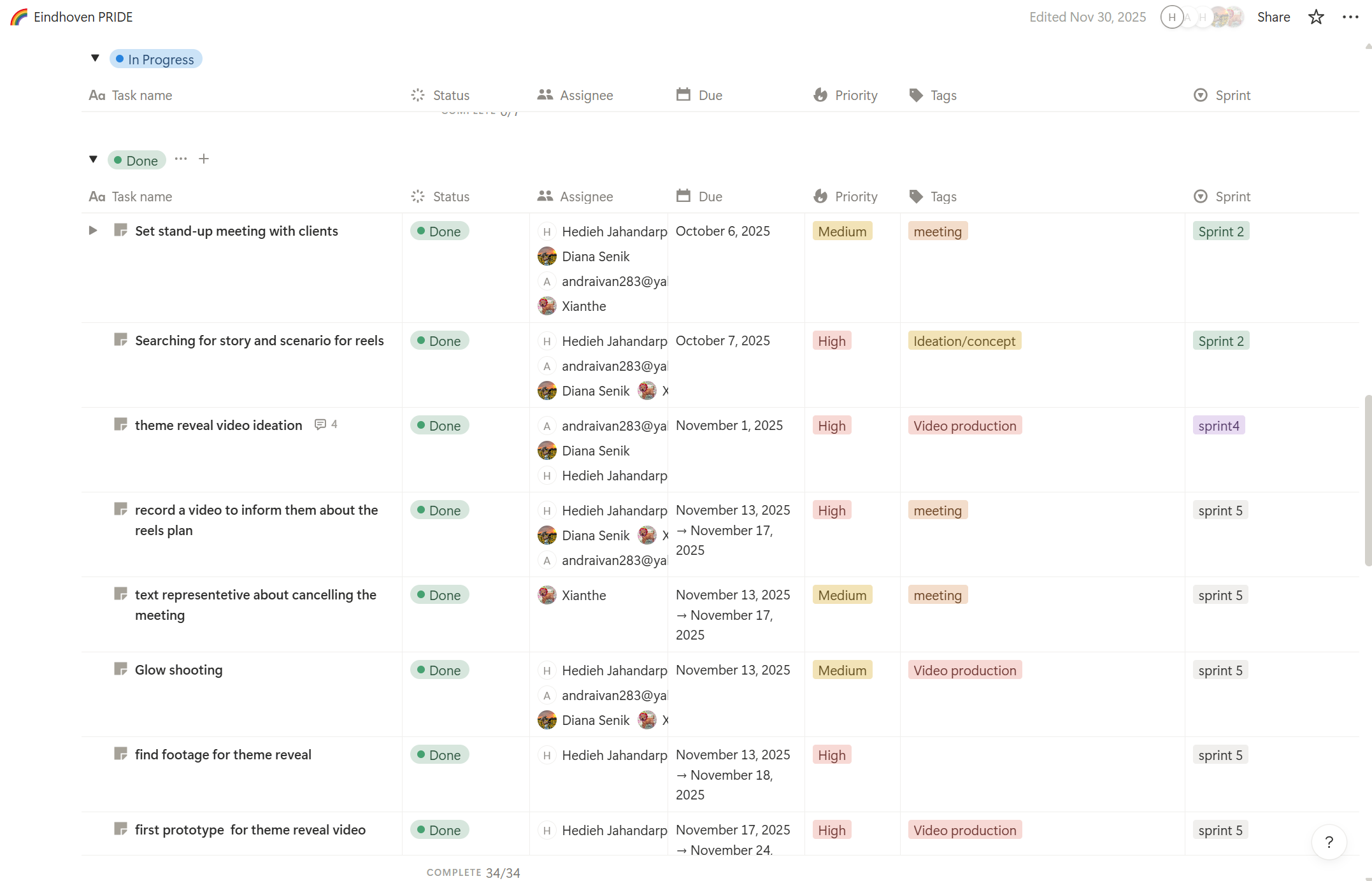
From Idea to Plan

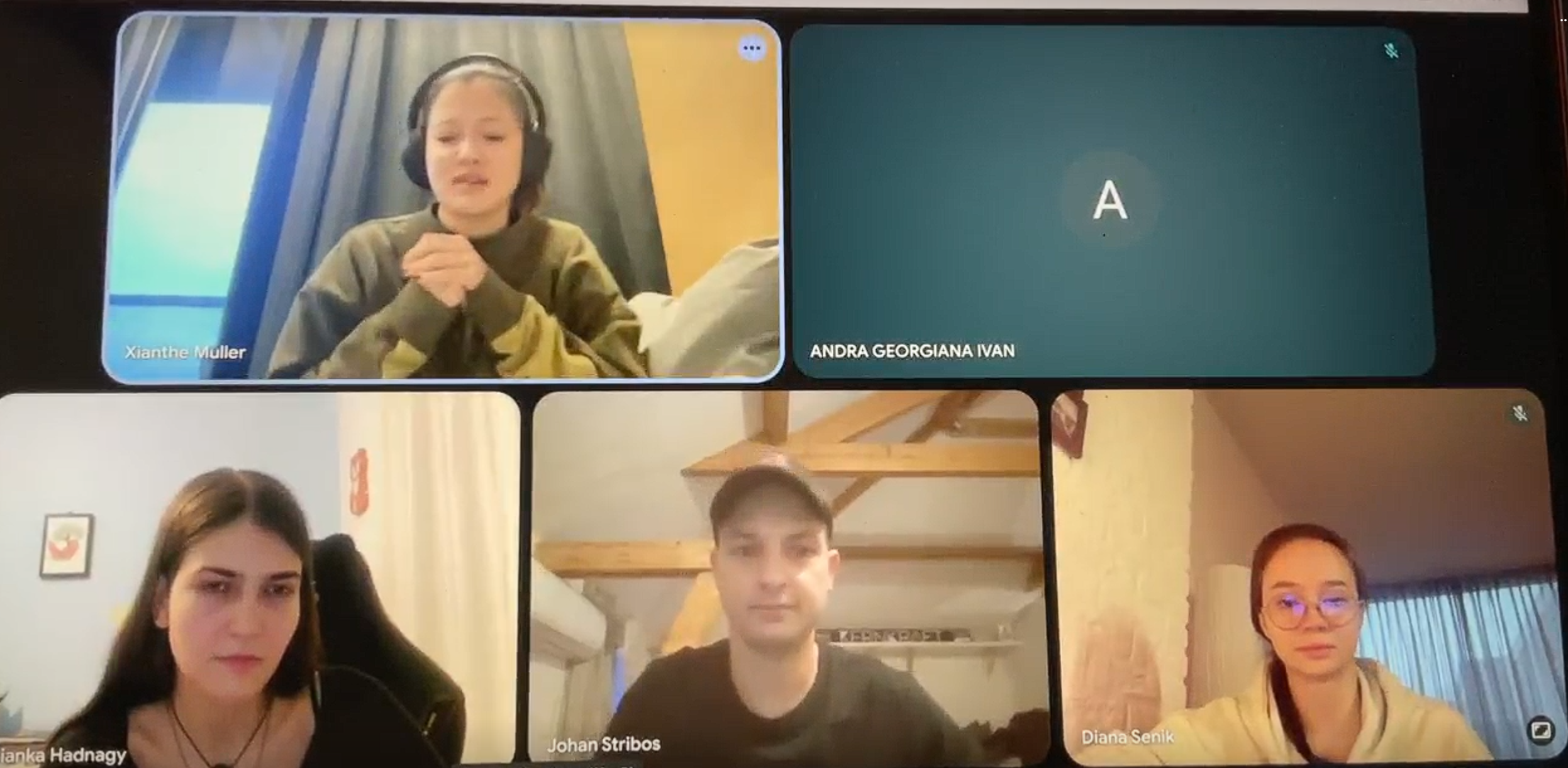
We started by talking to our stakeholder. This first conversation was mainly about understanding what kind of message Pride Eindhoven wanted to share and how the videos would be used. During this talk, we suggested that we could do more than just reels. That's when the idea of a theme reveal video and an animated logo came up, which made the project feel bigger and more exciting.

After that, reality kicked in. We had to contact a lot of people, organizations, and communities, and this turned out to be one of the longest parts of the project. Everyone had full-time jobs and busy schedules, so planning took a lot of patience and flexibility. Once we finally had everyone on board, we could really start working.

Preparing for Filming

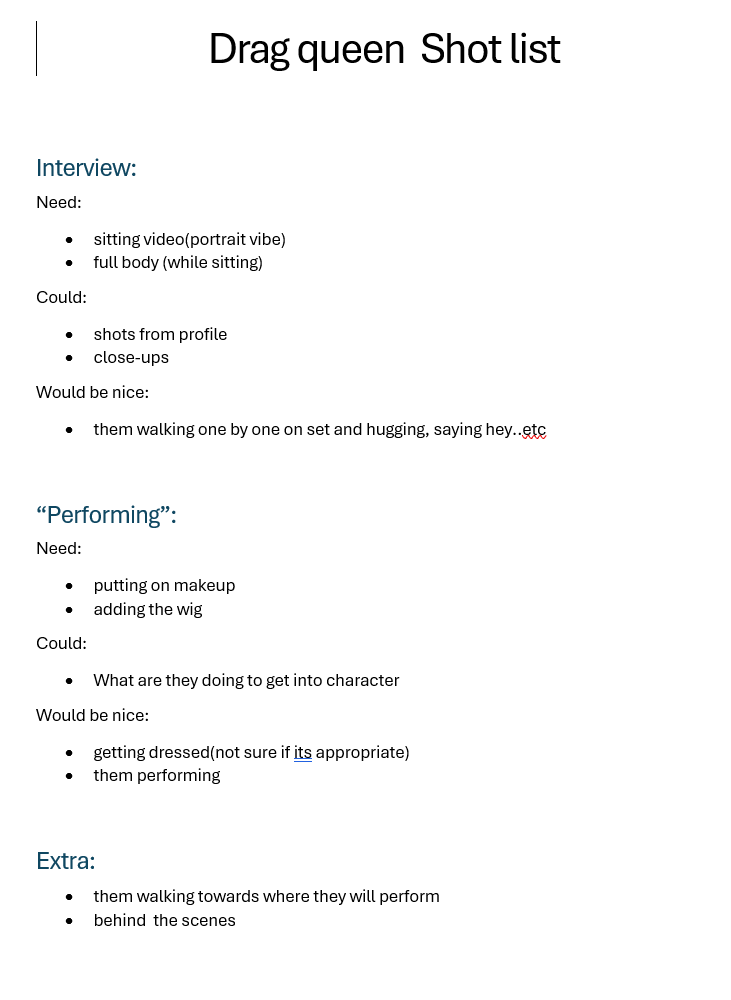
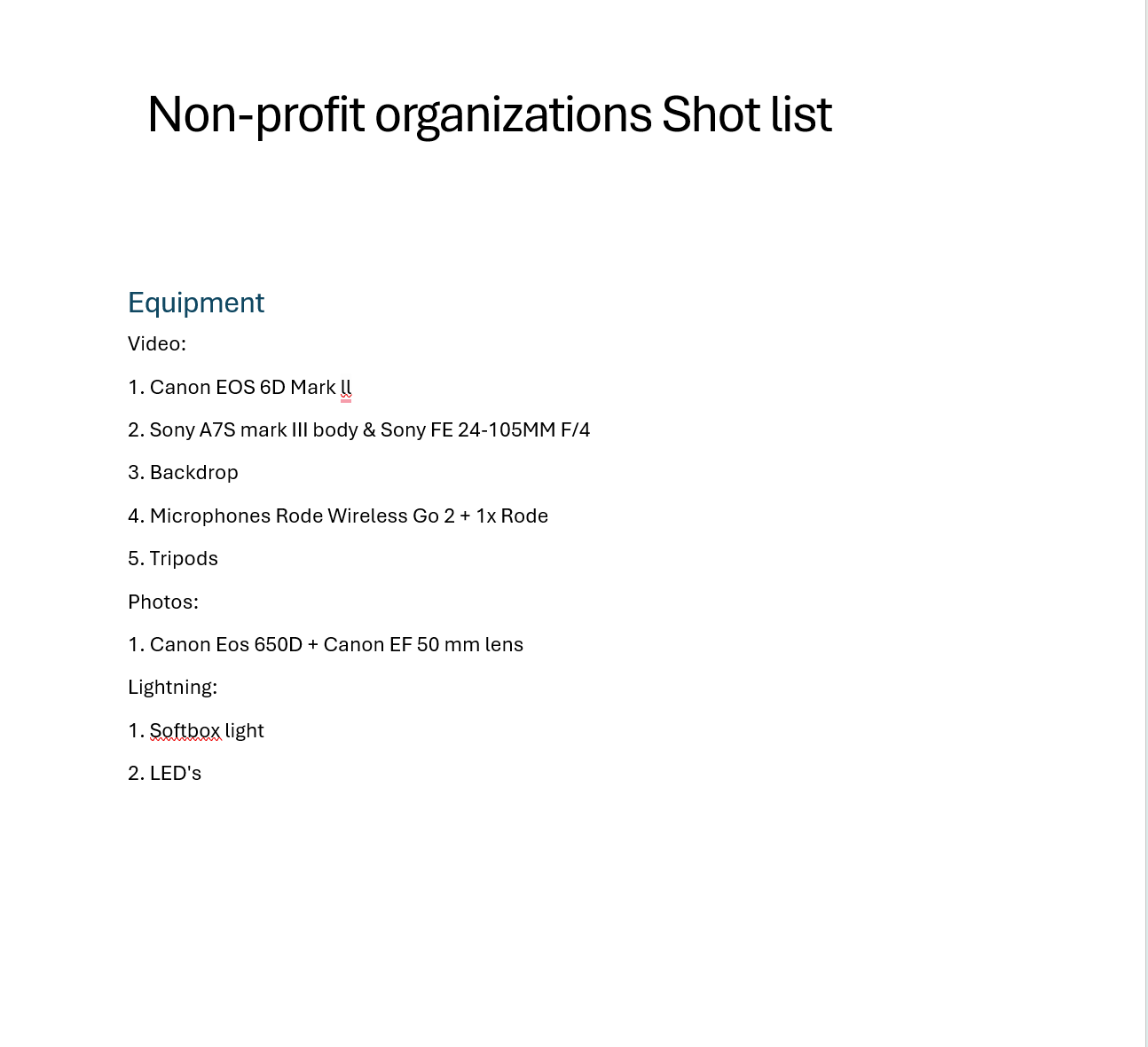
When it was time to divide the work, I focused mainly on preparing the filming days together with another team member. We worked on storyboards, shot lists, and gear lists, and we spent time checking what equipment the school had and what we might need extra. We also researched which lenses and microphones would work best for interview-style videos.

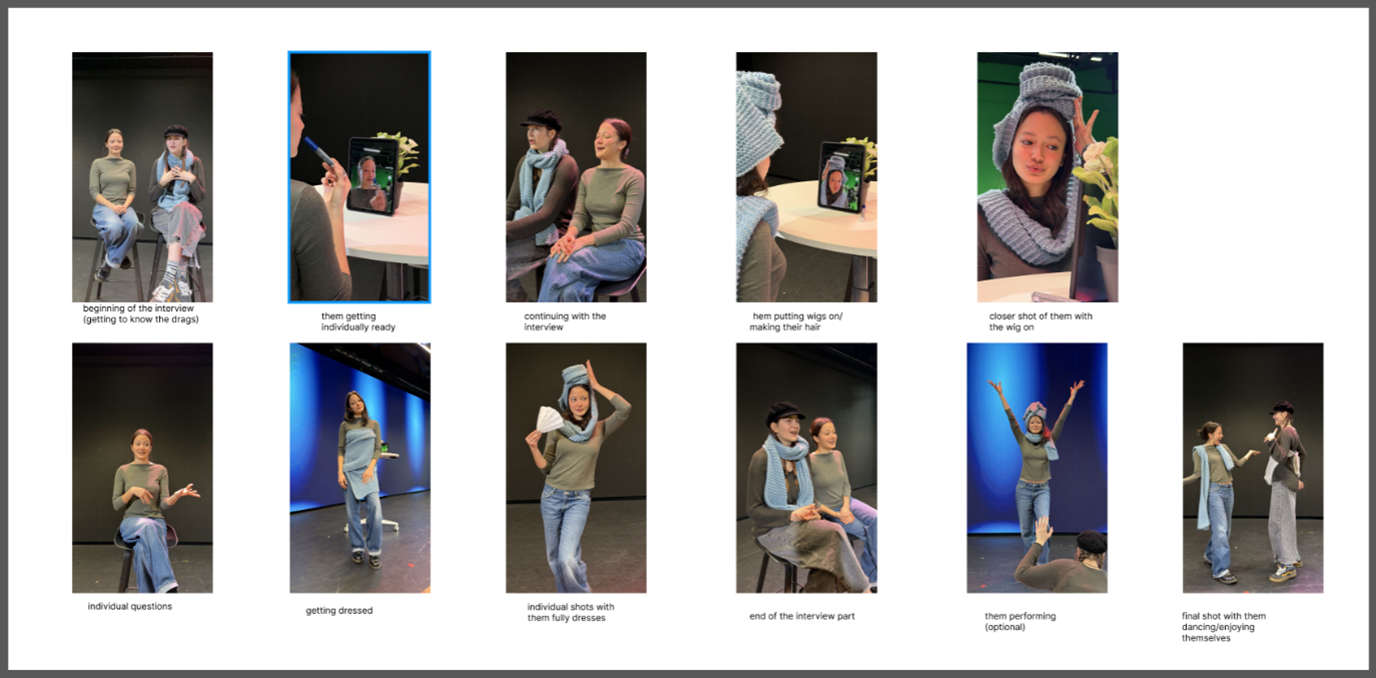
Our storyboards went through a lot of versions. We started with AI-generated images, then switched to photos we took ourselves. In the end, after feedback from our teachers, we realized that the best way to storyboard was actually by making short test videos that already looked like the final reels. That really helped us understand framing, pacing, and storytelling better.

Filming Days (and Mistakes)

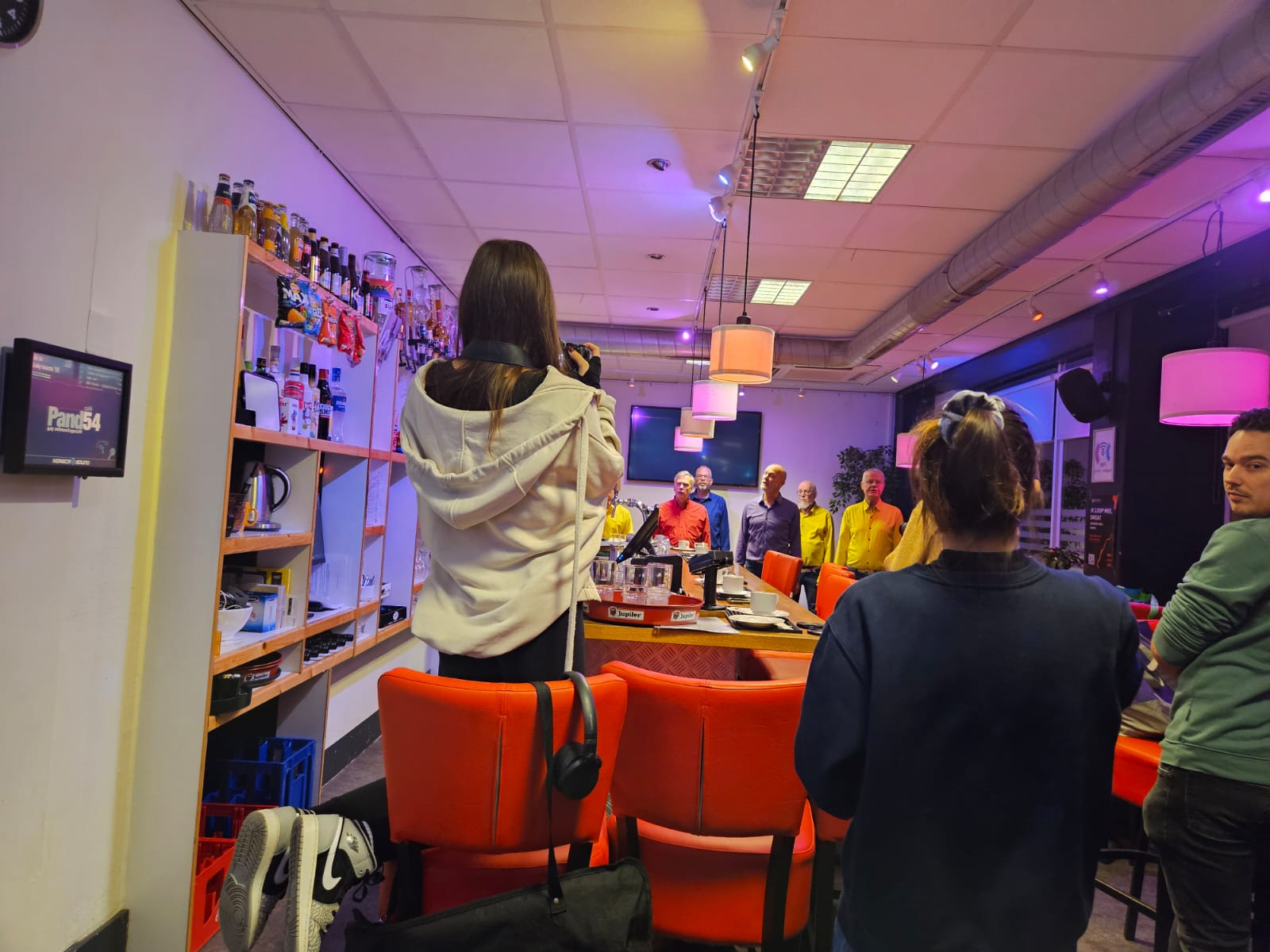
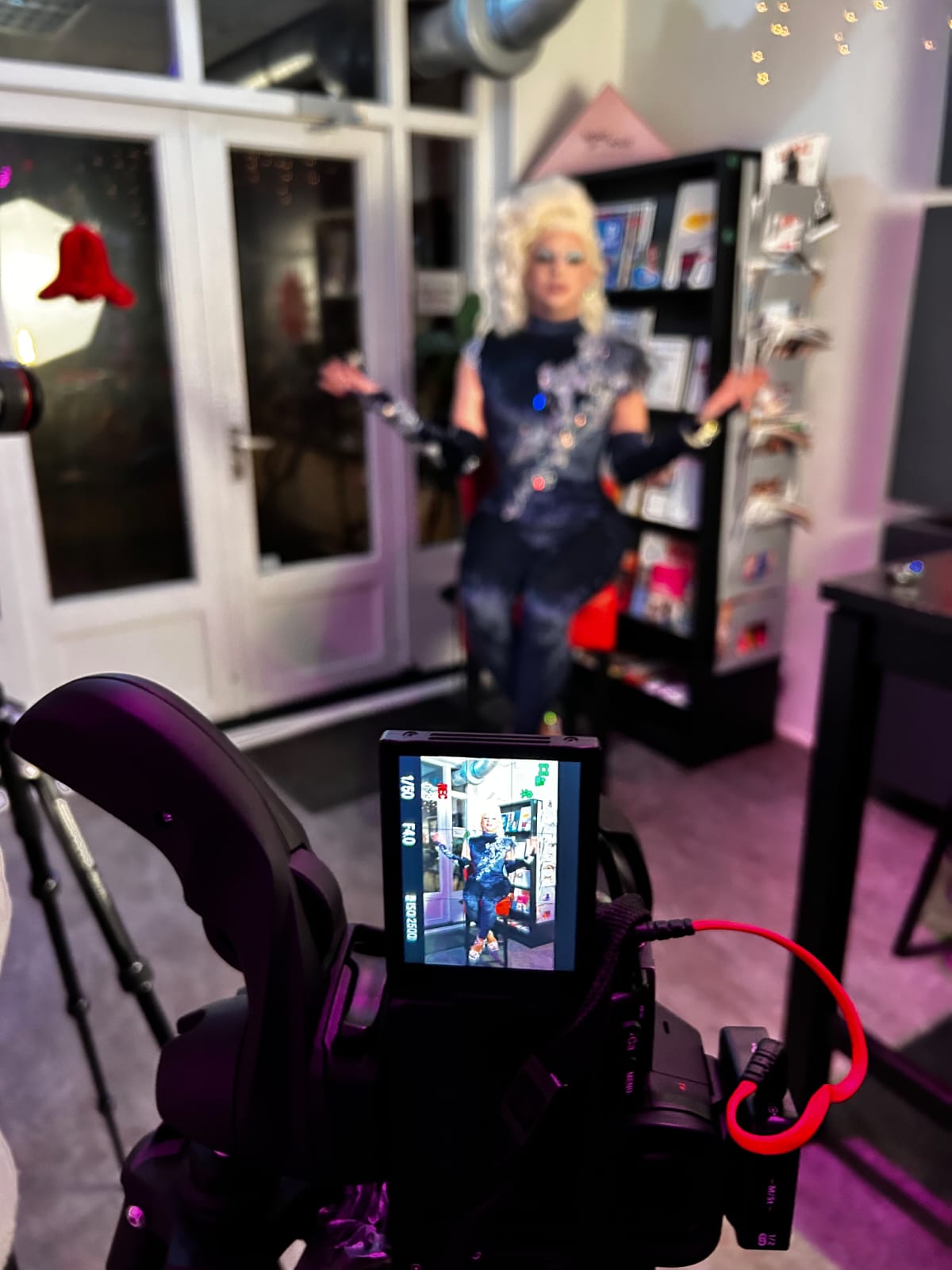
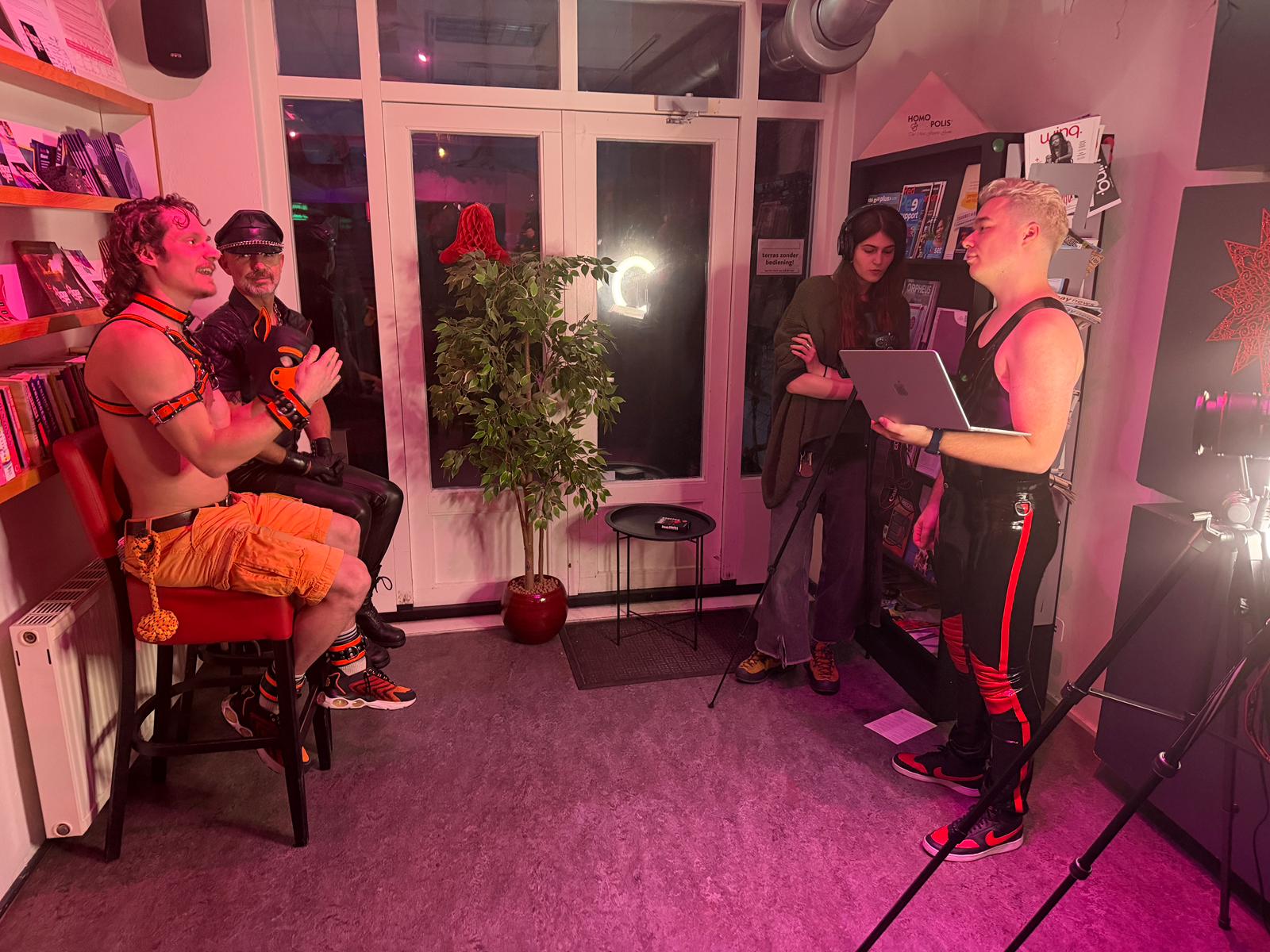
Planning the filming days was probably the hardest part. Because most participants could only film in the evening or on weekends, finding locations that were available at those times was tricky. For the non-profit organization, it worked out well because they rehearsed in a bar, where we could film both interviews and B-roll. This also helped us keep a similar visual style across all videos.

The first filming day didn't go exactly as planned — but in hindsight, that was a good thing. We made some classic beginner mistakes. We filmed the interviews horizontally, even though Instagram reels are vertical. One of the cameras made a beeping sound that ended up in the audio, and we didn't have proper light tripods, so someone had to hold a light for almost an hour.

At the moment, these things felt stressful, but they turned into really valuable lessons. We knew exactly what to fix and improve for the next filming days, and everything went much smoother after that.

Editing and Final Steps

After filming, there was still a lot of work left. The interviews were done in Dutch, so we first translated everything into English. Then we selected the strongest B-roll footage and started editing.

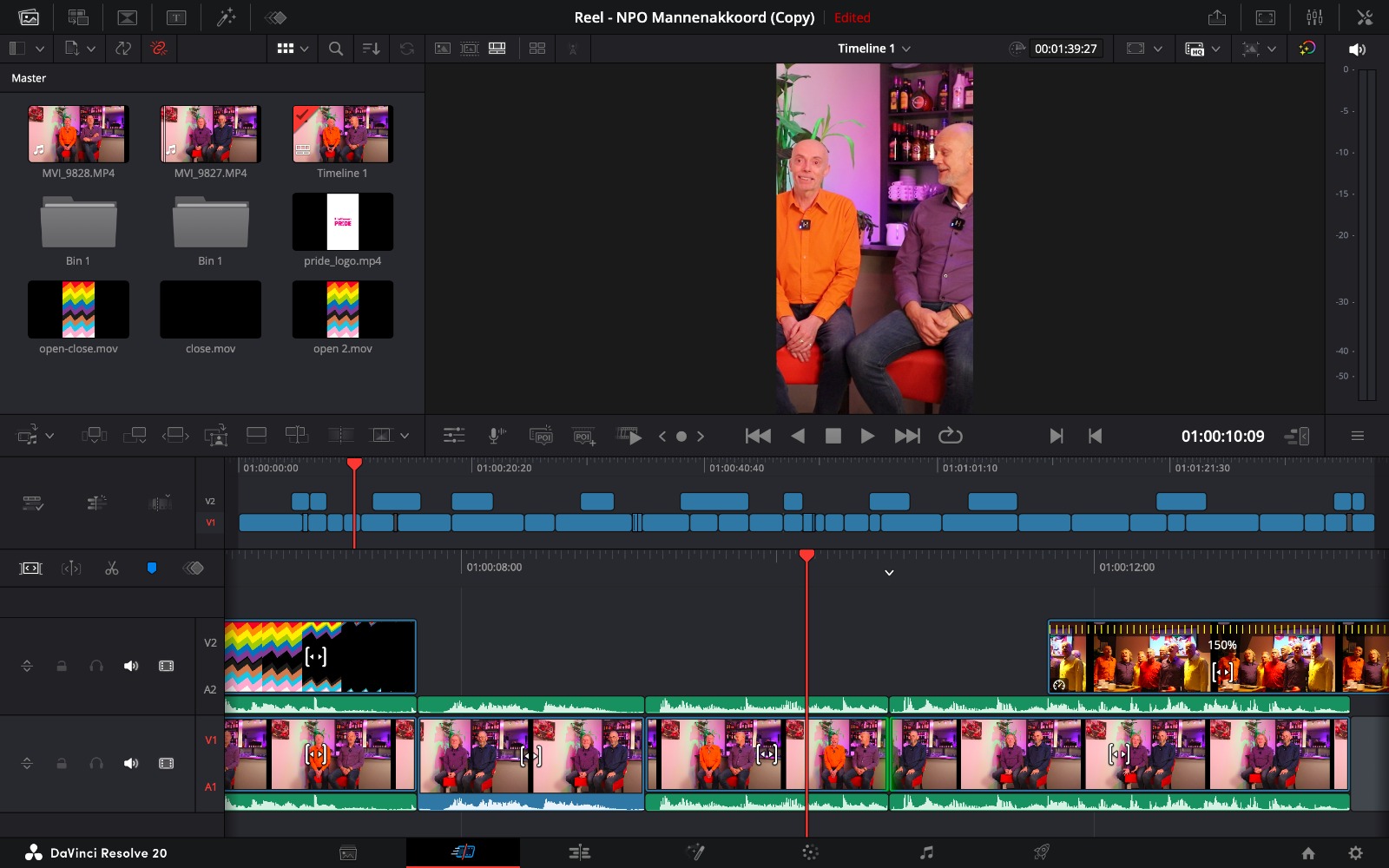
Editing was always a team effort. Usually, three people worked on one video: one on the A-roll, one on the B-roll, and one on the audio. This way of working helped us stay efficient and keep the quality consistent. Besides our planning, we were also always in contact with our client asking for feedback.

Throughout the project, we kept coming back to one question: Why are we making these reels?

Together with the stakeholder, we defined the answer clearly. The videos needed to educate people about LGBTQ+ subcommunities while also promoting Eindhoven Pride 2026. We took inspiration from similar videos made by Utrecht Pride, especially their mix of interviews and supporting B-roll.

Looking Back

Looking back, this project taught me a lot — not just about filming and editing, but also about communication, planning, and working with real stakeholders. Making mistakes was a big part of the process, and instead of holding us back, they helped us grow. Overall, this project feels like a strong mix of creativity, teamwork, and social impact, and it's something I'm genuinely proud to include in my portfolio.

Here are 2 of the vertical reels we created that showcase our work and its impact: